
It would be nice if your eyes could clearly tell you that your glasses prescription wasn’t cutting it anymore. As it is, your eyesight can change so subtly that you don’t notice until your annual eye exam. Instead, you may notice one of the clear signs your eye prescription has changed. 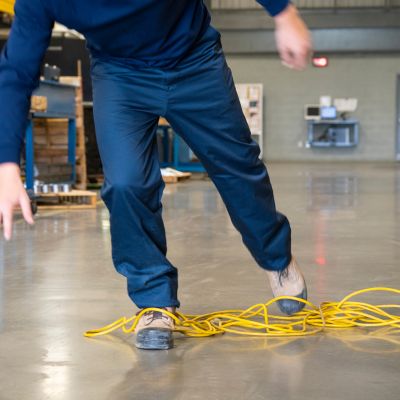
Clear signs that your prescription has changed include:
- Increased difficulty seeing during everyday activities
- Bumping into or tripping over objects
- Finding it increasingly difficult to see while driving
Changes in your glasses prescription can also be less obvious. Pay attention to determine if you’re squinting to see, experiencing frequent headaches, or have blurry vision more often. These along with other symptoms may indicate that your eyes are working harder to see more clearly than normal.
Signs Your Eye Prescription Has Changed
“Do I need new glasses?” is a common question for people who wear glasses. However, the answer is not always a simple “yes” or “no.” This is because good vision is not solely defined by seeing 20/20 on an eye chart. The truth is that 20/25 or 20/30 is still quite good.
What must also be considered is how well your vision is serving you as you go about your daily activities. You may not need an updated prescription if your eyeglasses prescription:
- Feels comfortable
- Let’s you see both close-up and distant objects well
- Isn’t causing any other issues
On the other hand, there are scenarios when doctors of optometry will recommend getting a new, valid prescription. This includes:
- Increased difficulty seeing during everyday activities
- Bumping into or tripping over objects
- Finding it increasingly difficult to see while driving
Vision tends to change slowly over time. This is why you may not notice an increased difficulty seeing during everyday activities. What’s likely happened is that your vision has changed so slowly that you don’t even notice it.
Bumping into or tripping over objects is a more serious problem. In these cases, you risk falling and having a serious accident. This makes it one of the more serious signs your eye prescription has changed.
Finding it increasingly difficult to see while driving can force you to stay home more often. Even more concerning is the danger you put yourself and others in when you do drive. Make getting your vision checked a priority if it’s becoming more challenging for you to see while driving.
These are perfect opportunities to take advantage of your vision insurance. There are many types of insurance plans that we accept at Hardin Valley Eyecare & Optical, so schedule a comprehensive eye exam as soon as possible.
Discover more about vision insurance and how to take advantage of its benefits.
Other Signs That Your Vision Has Changed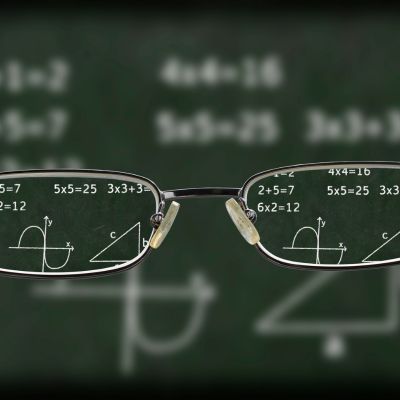
Problems seeing during daily activities, bumping and tripping over objects, and difficulty seeing while driving are all clear signs your eye prescription has changed. However, there are less noticeable symptoms of a change in your eyewear prescription. This is especially common if you have been wearing the same pair of glasses for a few years.
Schedule an appointment with your doctor if you:
- Haven’t had an eye exam in over a year
- Squint to see objects up close or far away
- Experience eye fatigue or eye strain
- Develop headaches more often
- Have frequent blurry vision
- Experience double vision
A lot can happen in 365 days, which is why you should prioritize seeing your eye doctor if you haven’t had an eye exam in over a year. They will be able to spot any changes in your vision and provide treatment.
Presbyopia can cause you to experience eye fatigue and eye strain. It can also be a result of digital eye strain, a condition that occurs when looking at digital screens for too long. This condition can be avoided by taking regular breaks from screens and focusing on an object in the distance. However, others prefer to use blue light glasses to prevent digital eye strain.
Learn the facts about blue light glasses and how they may be able to help you see comfortably.
Presbyopia, digital eye strain, and other vision changes can put extra stress on your eyes. You may develop headaches more often in these cases, especially later in the day. They can also cause you to have frequent blurry vision and experience double vision more often.
It’s natural for your glasses prescription to change over time. That’s why it’s important to familiarize yourself with the signs your eye prescription has changed. Otherwise, you could actually cause unnecessary eye strain that could easily be prevented with a new pair of lenses. Yearly comprehensive eye exams from your optometrist can help detect these changes and avoid straining your eyes.
Do you need an eye exam due to vision changes? Contact us today to schedule your appointment!
Differences in your eyewear prescription can present in a variety of ways. This includes having difficulty seeing during everyday activities and bumping into or tripping over objects. You may also notice it becoming more difficult to see while driving. Less noticeable signs include squinting to see, more frequent headaches, blurry vision, and double vision.
Hardin Valley Eyecare & Optical has been serving Knoxville since 2009. Located at 10904 Spring Bluff Way, you can schedule an appointment online or give us a call at (865) 888-0892.
Editor’s Note: This post was originally published in February 2020 and has been updated for comprehensiveness.