
It may be tempting after a long, hard day to go to bed without taking your contacts out. In moments like these, you may wonder, “Can you sleep with contacts in?” The truth is that sleeping with contacts severely raises your risk of vision problems.
Our tips for wearing contacts include:
- Switch to Daily Contact Lenses
- Don’t wear contacts while swimming or showering
- Wear sunglasses
- Only use fresh contact solution
- Keep regular eye exams
Can you sleep with contacts in?
No, you should never sleep in contact lenses and they are not intended for continuous wear. It may not seem like a big deal, but falling asleep with your contacts increases your risk of infection. According to the Centers for Disease Control (CDC), wearing contacts while sleeping raises the risk of infection 6 to 8 times.
1 in 3 contact lens wearers sleep in their contacts, whether it’s on purpose or if they accidentally fall asleep. This means that contact lens-related infections are more common than you may think. Infections are even more likely if you’re not using good cleaning habits and caring for your contacts the way you should. This can result in microbial keratitis, which is an infection that affects the cornea of your eye.
Treating these conditions can be time-consuming and expensive. You’ll need medicated eye drops to treat your infection and follow-ups with your eye doctor. This can take weeks or months, so it’s important to remove your contacts before bed. Make sure to clean them properly and avoid the risk of infection.
Getting an eye infection is bad enough, but severe cases can be even more dire. They can have serious complications, including permanent vision loss, and may require surgery. Remember that contacts are not intended to be worn continuously. Be sure to practice good contact lens hygiene and protect yourself from serious side effects.
Tips for Wearing Contact Lenses
We’ve answered the question, “Can you sleep with contacts in?” Now let’s look at some of our favorite tips for wearing contacts safely. There’s a learning curve to wearing contacts. Unlike prescription eyeglasses, contact lenses need more care and consideration. Most of this will become like muscle memory as you make them a part of your daily routine.
Yet, there are some considerations that you may not know or may have forgotten over time. Here are a few important tips on wearing contact lenses and getting the most out of them.
1. Switch to daily contact lenses
Daily contact lenses have a ton of benefits. Also known as daily wear contacts, you wear these soft contacts for one day and then throw them away. This reduces the time that you’ll spend each evening (or whenever you decide to fall asleep) cleaning them.
Daily lenses have plenty of other benefits besides shortening your nightly routine. Made from newer materials such as silicone hydrogel, they can also help with:
- Seasonal allergies
- Dry eyes
- Astigmatism
Daily contacts help fight seasonal allergies by preventing pollen and other residue buildup. Regular cleaning can remove a lot from traditional and extended-wear contact lenses. Unfortunately, cleaning can’t get it all. This causes buildup over time, which you can avoid with daily contacts.
Dry eyes often come with seasonal allergies, but they can be a year-round problem if you wear contacts. This is due to residue sticking to your lenses, preventing moisture from getting to your eyes. The result is sensitive eyes that feel irritated or gritty. Daily contacts give your eyes a break and allow them to get much-needed moisture and oxygen to stay healthy.
Astigmatism causes blurred vision and other problems. This is due to a misshapen lens or cornea, making it difficult to focus light on the retina. Fortunately, daily contacts formulated for astigmatism are available to help you see clearly.
2. Don’t wear contacts while swimming or showering
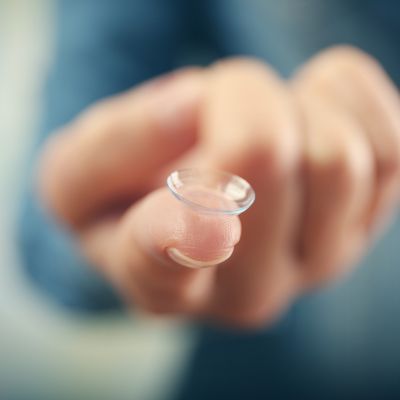
You should avoid getting your contacts wet while wearing them. Swimming is especially dangerous since bacteria can become trapped inside the lenses. This opens you up to all sorts of infections and other vision problems.
Be especially wary of:
- Lakes
- Rivers
- Oceans
- Hot tubs
These bodies of water can have more contaminants than swimming pools. Chlorinated pools aren’t that much safer. They may kill a lot of bacteria and other pathogens, but they can’t get them all.
Some patients ask, “Can you shower wearing contacts?” Even tap water from your shower poses its own dangers. An amoeba known as Acanthamoeba lives in all types of water, but is especially prevalent in tap and well water. Dailies are great for keeping Acanthamoeba keratitis bacteria and other debris from collecting on lenses over time.
3. Wear sunglasses
UV exposure has been connected to eye care problems, including cataracts and photokeratitis. Some contact lens manufacturers have started adding UV blockers to contacts. However, it’s no replacement for sunglasses. Another issue is that contacts aren’t big enough to protect your entire eye. You’ll need UV-blocking sunglasses to protect them year-round.
When choosing a pair of sunglasses, look for a pair that:
- Blocks 99 – 100% of UVA and UVB rays, or is rated UV400 or higher
- Fit comfortably close to your face to prevent UV rays from slipping through
- You can see through clearly and don’t distort your vision
UV radiation is a threat all year long and not just during spring and summer. Take the time to find a quality pair of sunglasses that are ready for any occasion.
4. Only use fresh contact solution
Making fresh solution a habit is a simple step that can go a long way toward protecting both comfort and eye health. Using fresh solution every time you clean your contacts helps protect your eyes and keeps your lenses performing as they should.
Fresh solution is sterile, so unlike reused liquid, it can effectively:
- Clean away debris
- Rinse off protein buildup
- Disinfect the lens surface
That matters because old solution can lose its strength over time, allowing germs to grow and increasing the risk of irritation or infection.
It also helps keep lenses comfortable by maintaining moisture and reducing the chance of dryness, cloudiness, or a gritty feeling during the day. In addition, starting with clean solution supports clearer vision and better lens performance, which makes daily wear more pleasant and safer.
5. Attend regular eye exams
 Keeping up with exams is a simple way to support clearer vision, earlier treatment, and long-term eye health. They help protect both your vision and overall health, catching changes in eyesight early, so you get the right prescription before daily tasks become harder.
Optometrists can also spot silent problems before symptoms are obvious, like:
- Glaucoma
- Cataracts
- Macular degeneration
This gives treatment a better chance to work. In addition, eye exams can reveal signs of broader health issues such as diabetes or high blood pressure. This is because the eyes often show changes that other parts of the body hide.
Routine checkups also help monitor eye strain, dryness, and comfort—especially for people who use screens often or wear contacts or glasses.
Choose Hardin Valley Eyecare for Contact Lenses in Knoxville
Getting your contact lenses from Hardin Valley Eyecare can make daily wear simpler and more comfortable. They offer a cleaner, fresher, and lower-maintenance option for everyday vision correction.
Daily contact lenses are designed to provide:
- Increased comfort
- Less cleaning
- A lower risk of infection
- Reduced seasonal allergy irritation
- Better moisture throughout the day
By starting with a fresh pair each day, you avoid the buildup that can make lenses feel dry or irritating. You also do not have to manage a cleaning routine. That convenience can be especially helpful for busy schedules, travel, or anyone who wants an easier contact lens routine.

Sleeping in contact lenses increases infection risk and can lead to serious eye conditions, making proper care essential. Safe habits like avoiding water exposure, using fresh solution, and attending regular eye exams help protect vision. Hardin Valley Eyecare offers daily lenses for greater comfort, less maintenance, and a lower risk of irritation for easier, healthier wear.
Hardin Valley Eyecare & Optical has been serving Knoxville since 2009. Located at 10904 Spring Bluff Way, you can schedule an appointment online or give us a call at (865) 888-0892.
* This blog was originally published in June 2021 and has been updated for clarity and freshness.